Cart
Your cart is empty
Looks like you haven’t added anything yet, browse new arrivals below!
Continue Shopping
 Shop NFL
 Arizona Cardinals
 Atlanta Falcons
 Baltimore Ravens
 Buffalo Bills
 Carolina Panthers
 Chicago Bears
 Cincinnati Bengals
 Cleveland Browns
 Dallas Cowboys
 Denver Broncos
 Detroit Lions
 Green Bay Packers
 Houston Texans
 Indianapolis Colts
 Jacksonville Jaguars
 Kansas City Chiefs
 Las Vegas Raiders
 Los Angeles Chargers
 Los Angeles Rams
 Miami Dolphins
 Minnesota Vikings
 New England Patriots
 New Orleans Saints
 New York Giants
 New York Jets
 Philadelphia Eagles
 Pittsburgh Steelers
 San Francisco 49ers
 Seattle Seahawks
 Tampa Bay Buccaneers
 Tennessee Titans
 Washington Commanders
 Shop NCAA
 Air Force Falcons
 Alabama Crimson Tide
 Arizona State Sun Devils
 Arizona Wildcats
 Arkansas Razorbacks
 Auburn Tigers
 Baylor Bears
 Boston College Eagles
 BYU Cougars
 Central Florida Knights
 Cincinnati Bearcats
 Clemson Tigers
 Coastal Carolina Chanticleers
 Colorado Buffaloes
 Connecticut Huskies
 Creighton Blue Jays
 Dayton Flyers
 Duke Blue Devils
 East Carolina Pirates
 Florida Gators
 Florida State Seminoles
 Fresno State Bulldogs
 Georgia Bulldogs
 Georgia Tech Yellow Jackets
 Gonzaga Bulldogs
 Houston Cougars
 Illinois Fighting Illini
 Indiana Hoosiers
 Iowa Hawkeyes
 Iowa State Cyclones
 James Madison Dukes
 Kansas Jayhawks
 Kansas State Wildcats
 Kentucky Wildcats
 Louisville Cardinals
 Louisiana State Tigers
 Marquette Golden Eagles
 Maryland Terrapins
 Memphis Tigers
 Miami Hurricanes
 Michigan State Spartans
 Michigan Wolverines
 Minnesota Golden Gophers
 Mississippi Rebels
 Mississippi State Bulldogs
 Missouri Tigers
 Naval Academy Midshipmen
 NC State Wolfpack
 Nebraska Cornhuskers
 North Carolina Tar Heels
 North Dakota State Bison
 Notre Dame Fighting Irish
 Ohio State Buckeyes
 Oklahoma Sooners
 Oklahoma State Cowboys
 Oregon Ducks
 Oregon State Beavers
 Penn State Nittany Lions
 Pittsburgh Panthers
 Purdue Boilermarkers
 Rutgers Scarlet Knights
 Southern California
 South Carolina Gamecocks
 South Florida Bulls
 St. John's Red Storm
 Stanford Cardinal
 Syracuse Orange
 TCU Horned Frogs
 Tennessee Volunteers
 Texas Longhorns
 Texas A&M Aggies
 Texas Tech Red Raiders
 Tulane Green Wave
 U.S. Military Academy West Point
 Utah Utes
 Vanderbilt Commodores
 Villanova Wildcats
 Virginia Cavaliers
 Virginia Tech Hokies
 Wake Forest Demon Deacons
 Washington Huskies
 Washington State Cougars
 West Virginia Mountaineers
 Western Kentucky Hilltoppers
 Wisconsin Badgers
 Wyoming Cowboys
 Xavier Musketeers
 Shop MLB
 Arizona Diamondbacks
 Atlanta Braves
 Baltimore Orioles
 Boston Red Sox
 Chicago Cubs
 Chicago White Sox
 Cincinnati Reds
 Cleveland Guardians
 Colorado Rockies
 Detroit Tigers
 Houston Astros
 Kansas City Royals
 Los Angeles Angels
 Los Angeles Dodgers
 Miami Marlins
 Milwaukee Brewers
 Minnesota Twins
 Montreal Expos
 New York Mets
 New York Yankees
 Oakland Athletics
 Philadelphia Phillies
 Pittsburgh Pirates
 San Diego Padres
 San Francisco Giants
 Seattle Mariners
 St. Louis Cardinals
 Tampa Bay Rays
 Texas Rangers
 Toronto Blue Jays
 Washington Nationals
 Shop NHL
 Anaheim Ducks
 Boston Bruins
 Buffalo Sabres
 Calgary Flames
 Carolina Hurricanes
 Chicago Blackhawks
 Colorado Avalanche
 Columbus Blue Jackets
 Dallas Stars
 Detroit Red Wings
 Edmonton Oilers
 Florida Panthers
 Hartford Whalers
 Los Angeles Kings
 Minnesota North Stars
 Minnesota Wild
 Montreal Canadiens
 Nashville Predators
 New Jersey Devils
 New York Islanders
 New York Rangers
 Ottawa Senators
 Philadelphia Flyers
 Pittsburgh Penguins
 San Jose Sharks
 Seattle Kraken
 St. Louis Blues
 Tampa Bay Lightning
 Toronto Maple Leafs
 Utah Mammoth
 Vancouver Canucks
 Vegas Golden Knights
 Washington Capitals
 Winnipeg Jets
Looks like you haven’t added anything yet, browse new arrivals below!
Continue Shopping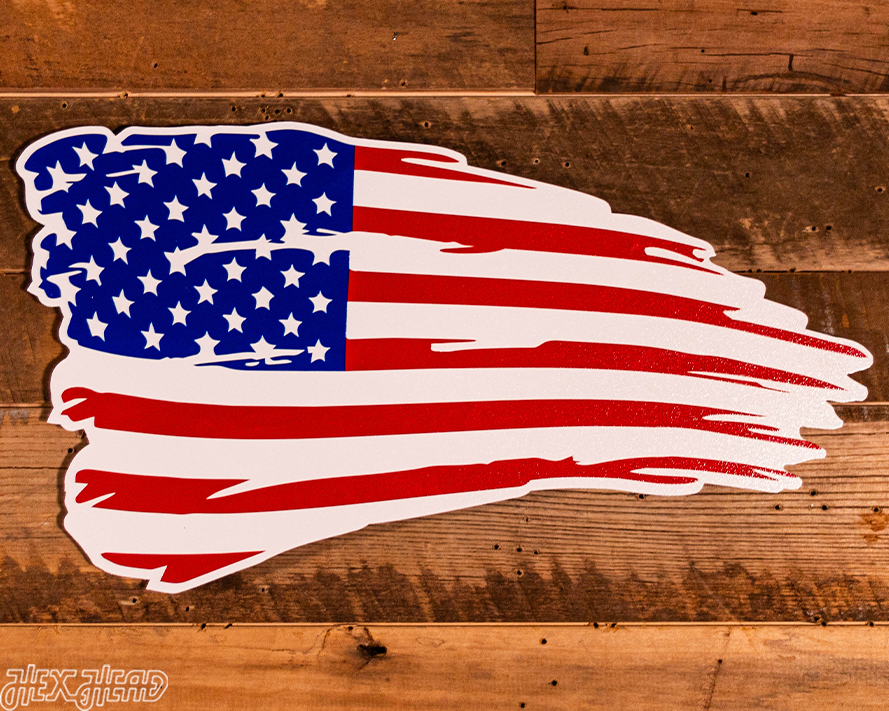

The single biggest upgrade in any 2026 game room makeover is the focal-point wall piece, and officially licensed 3D layered metal art from Hex Head Art delivers something flat prints simply cannot — dimensional steel construction that catches light and reads as a genuine statement, not decoration picked off a big-box shelf. Beyond that anchor piece, a great game room layers in lighting, comfortable seating, smart storage, and personal touches that make the space feel lived-in and yours.
A game room makeover in 2026 is really a question of identity: whose room is this, and does it look like it? We make one of the formats covered in this guide — 3D layered metal wall art — and we will say so plainly upfront. That said, every option in the comparison table below gets a fair read, because the right choice genuinely depends on your room, your budget, and your taste. What follows is honest advice from a craftsman who has thought about walls for a long time.
Start here before you spend a dollar, and you will save yourself from expensive regrets. Picture yourself standing in an empty room — permission slip in hand, walls bare, possibilities wide open. Three questions will do more to shape this space than any mood board or shopping cart.
First: who actually uses this room, and what do they love? A room built for one passionate fan looks very different from one that has to work for the whole household. Second: what is the one wall everyone faces? In most game rooms, that is the wall behind the main screen or directly across from the entrance — and that wall earns your biggest decision. Third: what mood does this room need? Electric and pumped-up calls for bold, high-contrast art and dramatic lighting. Warm and personal calls for layered pieces that tell a story over time. Answer these three questions first, and every purchase decision that follows gets dramatically easier.
Every great game room is organized around one dominant focal point, and getting that anchor right makes everything else fall into place. The anchor wall — usually the one behind the main screen or directly opposite the entrance — is where dimensional, officially licensed 3D layered metal art earns its keep in a way flat alternatives simply cannot match.
Here is why format matters so much in this role: flat prints and posters read as decoration. A dimensional steel piece throws shadow lines that shift as your room lighting changes, and it carries genuine perceived weight — the kind that makes guests stop and look rather than glance. That is the job of an anchor piece. The NFL wall art collection and the military branch tribute collection are natural starting points for that role, covering the teams and service branches that matter most to the fans and veterans who build these rooms. If cost feels like a barrier to getting started, the Under $99 collection includes smaller-format pieces that let you test the format before committing to a large-format statement piece.
| Option | Best for | Durability | Price range feel |
|---|---|---|---|
| Hex Head Art — 3D layered metal team & military art | Fans who want a permanent, officially licensed focal point | Powder-coated steel — built to resist wear and fading | Mid to premium; feels like an investment piece |
| Framed licensed team posters | Renters or those who redecorate often | Paper and glass — can be fragile over time | Entry-level; can look budget up close |
| Neon or LED signs | Bars and entertainment rooms that want nightlife energy | Moderate — LEDs outlast old neon but wiring can degrade | Wide range; quality varies considerably |
| Vintage tin or printed metal signs | Retro or man-cave aesthetics | Decent — thin gauge can be prone to denting | Affordable; often mass-produced feel |
| Custom canvas prints | Photo-centric walls or portrait displays | Can fade over years without UV coating | Budget-friendly; can feel temporary at scale |
| Wooden branded décor and plaques | Rustic or farmhouse-leaning rooms | Moderate — humidity can affect wood over time | Mid-range; warm but less dramatic |
Competitor format notes in this table reflect general market observations about widely available retail options. Hex Head Art pricing reflects the brand's actual catalog tiers.
The non-art elements of a game room are where most people either get it right quietly or get it wrong loudly. Done well, they disappear into the background and let the room feel cohesive; done poorly, they undermine everything else.
On lighting: bias lighting — LED strips mounted behind your screen — reduces eye strain during long sessions and adds atmospheric depth without a major installation. For the rest of the room, replacing a harsh overhead fixture with two warm lamps costs almost nothing and changes everything about how a dimensional metal piece reads. Shadow lines that disappear under a flat ceiling light come alive under directional or ambient sources — that single habit makes any 3D wall piece look significantly more expensive.
On seating: match your seating to how the room is actually used, not how it photographs. Gaming chairs work well for long solo sessions at a desk. Deep recliners or sectionals serve watching parties better. Stadium-style tiered seating suits larger dedicated rooms but can feel awkward in tight spaces. No single format wins universally.
On storage: open shelving is great for displaying things you are proud of — jerseys, collectibles, signed gear. Closed cabinets handle everything else. The rooms that look cleanest usually have more closed storage than they appear to.
Once your anchor piece is set, the goal shifts from impact to story — and that is where the room really starts to feel like yours rather than a showroom. The trick is carrying a theme through the remaining walls without tipping into team-store territory.
Commemorative front pages from championship moments — licensed editions from outlets like Sports Illustrated, USA Today, and the New York Times — add historical depth alongside your team art. They remind anyone who walks in that you were there for those moments, or that you know exactly why they matter. State flag and Americana pieces work beautifully for fans who want something beyond sports on their walls; the Americana collection offers pieces that anchor a room in place and pride rather than just allegiance. Custom name-and-number signs personalize a space in a way no mass-produced piece can — your number, your name, your wall.
Canvas prints are worth mentioning honestly: they work well for photo-based walls and portrait displays, and they are genuinely budget-friendly. The caveat is that at scale — large walls, across-the-room viewing distances — they can read as temporary. Tin signs carry warm retro energy and fit certain aesthetics well; they are just thinner gauge and more prone to denting than they sometimes appear in product photos.
Real game rooms are rarely built for one person with one passion, and the best ones reflect that complexity honestly. A room that has to honor a veteran's service and a sports fan's allegiance, satisfy fans of different teams, or double as a gathering space for the whole family — that room needs a smarter layout strategy than just picking your favorite piece and centering it.
The practical approach: anchor with the biggest shared identity, and let support walls carry individual pieces. Military branch tribute art and team art share a metal finish family naturally, which means they coexist without visual conflict in a way that mixed formats — say, neon alongside canvas — often don't. The military wall art collection works as a genuine anchor in its own right, not just a supporting piece — a service branch tribute is a statement as meaningful as any team logo. Custom name signs give every member of the household a visible stake in the space, which matters more than most people realize until a room actually gets used.
Price sensitivity deserves a direct, honest answer rather than a vague wave toward "options for every budget." Here is what different spending levels actually deliver in a game room context.
At the entry tier, pieces in the Under $99 collection are ideal for testing the format, filling a secondary wall, or starting a collection without a large upfront commitment. This is a legitimate starting point, not a consolation tier. In the roughly $100–$200 range, most standard team and military metal art lives — and this is the core game room investment tier. The quality difference between a dimensional steel piece and a budget alternative is visible from across the room, which matters in a space designed for across-the-room viewing. At roughly $200 and above, you are in large-format statement piece territory — custom work, premium licensed editions, and pieces where the art genuinely is the room. That tier makes sense when you know the space well and are building something intended to stay for years.
Every format covered in this guide does something genuinely well. Neon and LED signs bring nightlife energy that nothing else replicates. Canvas prints offer warmth and accessibility at a price point that is hard to argue with. Tin signs carry real nostalgic weight for certain aesthetics. Wooden plaques add warmth in rustic or farmhouse-leaning rooms. These are honest assessments, not concessions.
But in the specific context of a game room — a space viewed from a distance, used over years, meant to represent something that matters to the person who built it — 3D layered metal art earns the top spot for three defensible reasons. First, it is permanently mounted and built-to-resist wear in a way paper and canvas are not. Second, it is officially licensed, which means the team identity it carries is authentic rather than approximate. Third, it is dimensionally interesting under any lighting condition, rewarding the room it lives in rather than demanding perfect circumstances to look good. Canvas and print formats are vulnerable to fading over time; the powder-coated steel construction used by Hex Head Art is built to resist that kind of gradual degradation. That is the craftsman's honest conclusion.
For fans ready to build a room that reflects who they actually are, the catalog spans NFL, MLB, NHL, the NCAA collection covering 80-plus schools, military branches, Americana, and custom work — enough range to anchor any room and carry the walls around it.
A reliable rule of thumb is to aim for a piece that fills roughly two-thirds of the wall width it anchors, with breathing room on either side — art that is too small for its wall reads as an afterthought rather than a statement. Game rooms are typically viewed from across a room, which means bigger usually reads better than buyers expect when measuring at close range. The catalog includes both large-format statement pieces for expansive walls and smaller accent pieces well suited to groupings or secondary walls.
Licensed art like Hex Head Art's carries the exact team colors, marks, and imagery that generic sports décor cannot legally reproduce — and for a room built to represent a specific team, that authenticity is the entire point. Generic pieces approximate the look; officially licensed pieces carry the real identity, which is a meaningful difference in a space where the whole goal is genuine allegiance. Licensed pieces also tend to hold their meaning over time in a way unlicensed alternatives do not, particularly as a team's visual identity evolves.
Yes — the rule that keeps mixed formats from reading as chaos is establishing a dominant anchor piece first, then letting every other piece complement rather than compete with it. Consistent finish families do most of the visual work: metal pieces share a natural kinship that makes them easier to mix than a metal piece alongside canvas alongside neon. Layering a 3D metal team piece with a commemorative championship front page and a custom name sign, for example, builds identity across formats without visual conflict.
This combination is more common than most décor guides acknowledge, and it is genuinely well-served by the catalog — the military branch tribute pieces and team art share a metal finish family that allows them to coexist naturally on adjacent walls or within the same wall grouping. A practical approach is to anchor with the identity that feels biggest — military service, a team, or a shared family passion — and use the other as a supporting wall. The military branch collection is built to stand as a primary statement, which gives rooms that honor both a clean path to balance rather than compromise.
Start with the Under $99 collection. Smaller-format officially licensed metal pieces in that range let you establish the format on a secondary wall or shelf grouping before committing to a large-format anchor. Once you have lived with the format and know where your focal wall is, scaling up to a statement piece becomes a much easier, lower-risk decision.
If this guide helped clarify what your game room actually needs, the next step is straightforward: start with the anchor. Browse officially licensed team, military, and Americana pieces and build outward from there. A room that reflects who you are is worth building right.

Green Bay Packer Christmas Gifts 2026: 10 Ideas
Shopping for a Packer fan this Christmas? Here are 10 gift ideas for 2026, including officially licensed 3D metal wall art made in the USA.
Read more
Gifts for Football Fans 2026: 10 Ideas That Actually Last
Shopping for a football fan in 2026? From officially licensed 3D metal wall art to game-day gear, here are 10 gift ideas ranked by a craftsman who knows decor.
Read more
Leave a comment
This site is protected by hCaptcha and the hCaptcha Privacy Policy and Terms of Service apply.